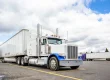


Trucking companies are vital to the American economy and support businesses, big or small, throughout the country. By picking up and delivering billions of tons of goods each year, trucking companies enable these businesses to thrive. However, owning a trucking company requires specialized knowledge and a lot of hard work. If you are thinking about starting a trucking company, the following business startup and invoice factoring tips will help you plan for success.
Learn and Understand the Industry
There is a strict rhythm to how the trucking industry operates. To start your own trucking company, it’s important to learn and understand the industry. This includes all the many rules and regulations involved. The FMCSA (Federal Motor Carrier Safety Administration) regulates almost every aspect of the trucking industry in the United States.
The first step to starting a trucking company is to identify what items you will be transporting and where they will be going throughout the country. Certain products and goods have different requirements that require various loading and unloading practices. Furthermore, if you’re transporting certain goods to other states, you will need to obey various interstate transport laws. Take the time to sort out all the details of your trucking company and learn as much as you can about all the industry rules that apply to you, including understanding key factoring documents like the Notice of Assignment, which plays a crucial role in securing funding for your business. Understanding common factoring terms will also help you navigate the complexities of securing financing and managing cash flow efficiently.
If you’re looking for additional guidance, explore our detailed resource on how to start a trucking company to get practical insights and advice. To learn more about factoring, visit our page that explains what invoice factoring is and how it can benefit your trucking business, or do a deep dive in the Ultimate Factoring Guide.
Owner Operators vs. Owner Subcontractors
In the trucking industry, there are two different types of owners: owner-operators and owners who subcontract their drivers. An owner-operator owns and drives their own truck(s). This provides them with more freedom in how their trucking company operates as a privately owned business. However, as an owner-operator, you will often need more working capital in order to maintain certain small business requirements. Owner subcontractors, on the other hand, hire and subcontract different drivers. This can be a better choice for you if you prefer having others handle specific jobs and do the driving while you handle the business side of things.
Keep in mind that there are certain pros and cons to either business model. While hiring drivers can cut into your profits, doing so can also make your trucking company more scalable. At the same time, driving your own truck will put you in control of your own rig. However, you may not want the responsibilities that come along with it. Either way, it’s really up to you to decide which method is right for you. Once you make the best decision, it’s important to create a business plan. The Small Business Administration can be a helpful resource in this regard.
Keep in mind that it’s important to address certain expenses in your business plan for your trucking company. These can include the number of trucks you plan to own or lease and the returns you expect from your business. Take the time to factor in maintenance expenses and the cost of hiring drivers, along with any marketing and advertising costs. You will also want to think about your projected cash flow and come up with a plan to cover your costs during cash flow shortages, including potential factoring fees. Ideas include applying for traditional bank loans or covering your bases with invoice factoring. For more detailed strategies, check out our invoice factoring tips for starting your own business to ensure you’re financially prepared from the outset. Planning ahead with a solid business plan will provide you with peace of mind knowing how you will manage certain challenges and setbacks.
Work Out the Details
Since the trucking industry is highly regulated, you will have to work out important details before you start your own business. If you plan on driving your own truck(s), you will need to acquire a commercial driver’s license. You will also need to file the LLC (limited liability company) paperwork necessary with your state. Furthermore, you will need to purchase or lease a truck(s), obtain business insurance, meet state requirements for vehicle registration, permitting, taxes, and car insurance. While it takes a lot of paperwork to start any business, there are more requirements than most in the trucking industry.
When planning how to finance your trucking equipment, it’s beneficial to explore trucking freight factoring options, as this can help maintain steady cash flow and support operational growth. For many new carriers, freight factoring for slow-paying clients provides predictable funding that covers fuel, payroll, and maintenance on time, without the uncertainty of waiting on delayed payments.
Last, but not least, you will need to obtain clients. When it comes to finding customers, it’s important to be proactive in your search either in-house or by hiring an outside marketing firm. As a demanding and competitive industry, you will need to be aggressive when it comes to contract bidding for client accounts. Most of all, a little hard work goes a long way when it comes to having fun and enjoying your new business.
Keep Your Cash Flow Strong with Integrity Factoring
Things change quickly in the trucking industry. That’s why it’s important to be prepared for certain fluctuations and take advantage of new opportunities to grow your business. To learn more about how we can help you, contact Integrity Factoring today by filling out our online form.
Frequently Asked Questions About Freight Factoring for Trucking Companies
A few FAQs about freight factoring for trucking companies are covered below.
Freight factoring is a financing solution that helps trucking companies maintain steady cash flow by selling their unpaid freight invoices to factoring companies. In return, the factoring company will pay a large percentage of the invoice value, often within 24 hours. This allows carriers to get paid quickly instead of waiting on extended payment terms from brokers or shippers. Factoring works by streamlining access to working capital so your trucking business can operate without interruption.
Factoring for trucking companies provides immediate liquidity to cover fuel, maintenance, payroll, and other operating costs. Companies use factoring to avoid cash flow gaps caused by slow-paying clients. Many small trucking companies and transportation companies rely on freight factoring services to scale operations, meet daily expenses, and keep the business running.
Recourse factoring means the carrier is responsible if the shipper fails to pay. In contrast, non-recourse factoring shifts that risk to the factoring company. Companies that offer non-recourse factoring usually charge a higher factoring fee but provide greater financial protection. Choosing between recourse and non-recourse factoring depends on your tolerance for risk and the reliability of your clients.
Choosing a factoring company involves evaluating their factoring rates, contract flexibility, and customer service. Look for a provider that understands the transportation industry and offers transparent terms in the factoring agreement. The choice of factoring company can directly impact how quickly you get paid, how easily you scale, and how well you manage payment terms.
A factoring company deals with collecting from your customers, verifying freight bills, and managing credit checks. This saves you time and administrative burden. Many factoring companies also offer fuel card programs, truck stop discounts, and access to financial tools to further support your freight business.
The cost of factoring is typically a small percentage of the invoice amount. Factoring companies typically charge based on the creditworthiness of your customers, the volume of invoices, and whether you’re using non-recourse freight factoring. While rates vary, many freight factoring companies offer competitive fees that make factoring a smart choice for improving cash flow for your trucking business.
The benefits of freight factoring include quick payments, reduced financial stress, and easier freight invoice management. For many carriers, freight factoring provides quick access to capital without creating new debt. This means factoring helps you cover operating costs, take on more loads, and pursue new contracts—making it a valuable tool for business growth.
Yes, you can still use factoring even if you haul for a freight broker. A reliable factoring company will work directly with your brokers and handle paperwork like the bill of lading and freight invoice. When you work with a factoring company, they verify the load, manage collections, and advance payment, so you can focus on driving.
If you’re experiencing delayed payments, limited cash flow, or rapid expansion, freight factoring for truckers can offer a solution. Many factoring companies offer scalable financing and no long-term contracts, making it ideal for carriers of all sizes. The right factoring facility can ensure your trucking business remains financially stable in a competitive industry.
Before signing a factoring contract, review the length of the agreement, cancellation terms, and any hidden fees. A reputable factoring company will offer clear terms, provide fast funding, and support your operations. Working with a factoring company should make it easier to keep your trucks on the road and your bills paid.
To learn more about freight factoring, visit our invoice factoring guide. Whether you’re new to the industry or scaling up, Integrity Factoring is here to help you determine if using freight factoring is right for your trucking business.
Trucking factoring provides vital support for startups and small freight companies by giving them immediate access to working capital. Instead of waiting 30, 60, or even 90 days to get paid, carriers can submit their freight invoices and receive funds in as little as 24 hours. This helps new businesses cover fuel, payroll, and maintenance—ensuring smooth operations even when client payment terms are slow.
To qualify for freight factoring, most carriers must have active authority, a clean MC or DOT number, and haul for creditworthy shippers or brokers. While specific requirements vary, factoring companies may also review your freight volume, documentation process, and history of collections. Fortunately, factoring is a way to secure funding without requiring a high credit score or large business history.
Freight invoice factoring starts when a carrier submits a completed load with proper documentation, including the rate confirmation and bill of lading. The factoring company takes over collection responsibilities, advancing a percentage of the invoice up front. Once the customer pays in full, the remaining balance—minus a small fee—is released. That’s how freight factoring provides liquidity and eliminates the wait to get paid.
Transportation factoring is tailored specifically to the logistics sector, offering features like fuel advances, credit checks on brokers, and same-day funding. This type of factoring allows carriers to keep their trucks on the road without waiting for invoices to clear. Whether you’re an owner-operator or running a larger fleet, factoring can help manage costs and grow your hauling capacity.
Factoring in trucking is designed to help carriers of all sizes meet the demands of the world of freight. It supports cash flow for trucking businesses by converting invoices into fast payments. The factoring company’s job is to reduce risk and administrative burden while keeping your finances moving forward. For more insights, review our guide on everything you need to know about factoring in the trucking industry.
Factoring companies make their money through small transaction-based fees. These cover services such as invoice processing, credit checks, collections, and client communication. When a freight factoring company takes responsibility for your accounts receivable, you’re not just paying for early access to cash—you’re gaining time and stability to focus on long-term growth.
When evaluating the services of a factoring company, look for more than just rates. Leading trucking factoring companies offer added value like broker risk monitoring, fuel card integrations, and flexible contracts. If you’re looking for a freight factoring partner, make sure they understand the transportation space and can scale alongside your business. Factoring companies will also support back-office tasks, freeing you up to concentrate on dispatch, compliance, and strategy.
You need a factoring company when your expenses exceed your incoming revenue due to delayed payments. This is common in trucking, where operating costs are high and delays in receivables can stall your growth. Factoring your invoices lets you get paid promptly—giving you the flexibility to take on more loads and invest in your fleet without relying on high-interest loans.